
Visiting Tiger's Nest Monastery: The Ultimate Guide
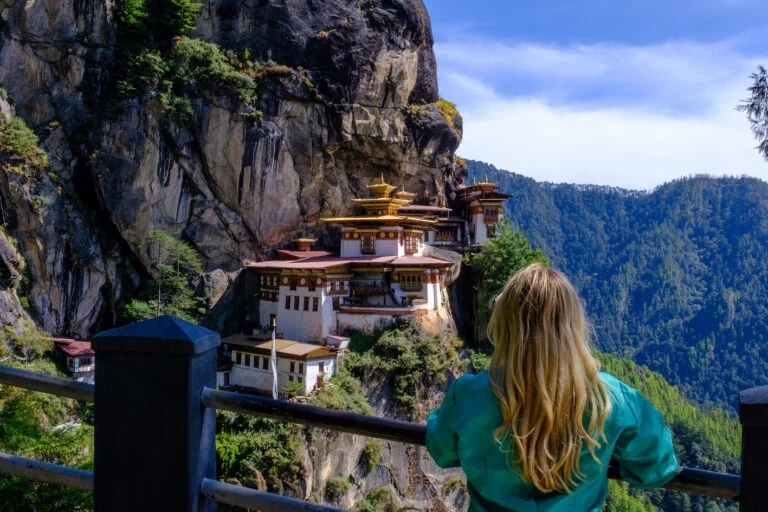
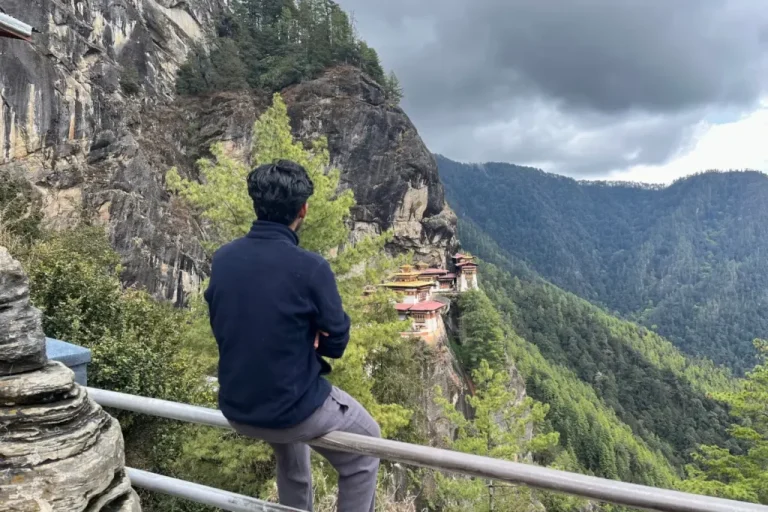
Clinging to a sheer granite cliff 900 metres above the Paro Valley, Paro Taktsang — the Tiger’s Nest Monastery — is not just Bhutan’s most iconic landmark. It is a place where legend, spirituality, and breathtaking natural beauty collide in a way that no photograph can truly capture.
About Tiger's Nest
Paro Taktsang, meaning “Tiger’s Lair,” is a sacred Vajrayana Buddhist monastery built in 1692 around a cave where Guru Rinpoche — Padmasambhava — is said to have meditated for three months in the 8th century. According to legend, he flew to the cliff on the back of a tigress, which is how the site earned its name. Today it houses four main temples, sacred statues, and meditation caves that continue to attract pilgrims and travellers from across the world.
The monastery was severely damaged by fire in 1998 but was meticulously restored by the Royal Government of Bhutan, and today it stands as one of the most stunning examples of Bhutanese architecture and devotion.
Altitude
Altitude
Paro Taktsang sits at a commanding 3,120 metres (10,236 feet) above sea level — roughly the same height as many Alpine ski resorts. While the trailhead begins at around 2,400 metres, you gain nearly 700 metres of elevation over the course of the hike, which means your body is working harder than it would at lower altitudes, even if the pace feels easy.
Hike Duration
Distance
Distance
Planning
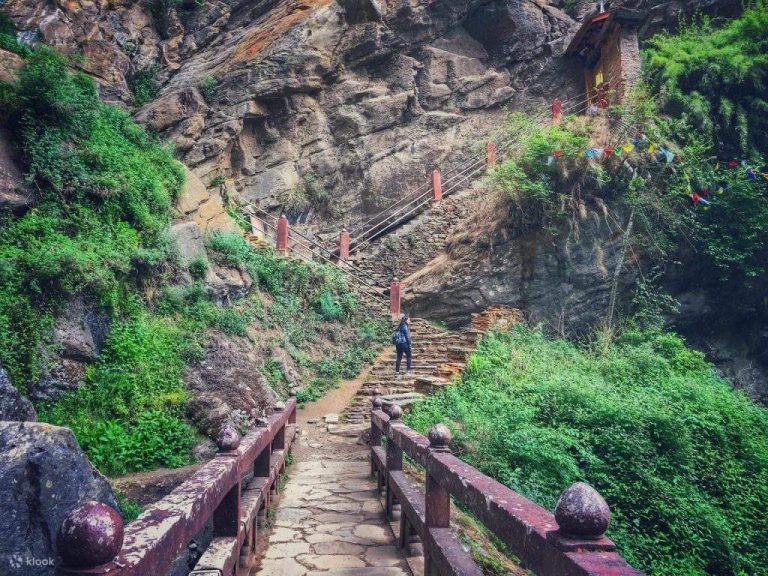
The full return journey to Paro Taktsang covers approximately 9 kilometres — around 4.5 km each way. On paper, that may sound like a gentle morning stroll. In reality, those 9 kilometres are among the most varied, dramatic, and rewarding steps you will ever take, packed with elevation gain, stone staircases, forest paths, cliff-side ledges possible way.
Essential Tips Before You Go
- Start your hike as early as possible — ideally by 7:30 AM. The trail gets crowded and warm by mid-morning.
- Wear comfortable, sturdy shoes with grip. The stone steps can be slippery, especially after rain.
- Dress modestly — covered shoulders and knees are required inside the monastery. Carry a scarf or shawl.
- Photography is strictly prohibited inside the temple rooms. Cameras and phones must be put away before entering.
- Carry enough drinking water and a light snack. The cafeteria sells food and drinks at the midpoint.
- The best seasons to visit are March–May (spring) and September–November (autumn) for clear skies and mild temperatures.
- Acclimatise for at least one day in Paro before attempting the hike — altitude can affect energy and breathing.